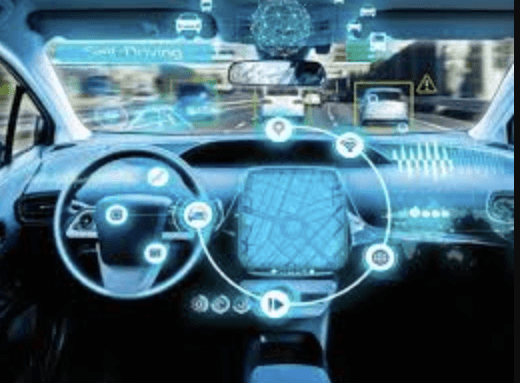
Smart technology is reshaping transportation through data sharing, autonomy, and connected infrastructure. Real-time sensing reduces risk and supports adaptive routing. Predictive analytics align capacity with demand and enable proactive maintenance. Electric corridors and digital governance improve energy efficiency while protecting privacy. As interoperability and cybersecurity strengthen, reliability rises and multimodal options expand. The trajectory is clear, but implementation challenges remain, leaving new efficiency gains and resilient systems on the horizon.
How Smart Tech Is Transforming Everyday Travel
Smart technology is redefining everyday travel through increasingly connected devices, real-time data, and automated systems that optimize routes, reduce delays, and cut emissions.
The shift highlights autonomous buses and predictive traffic as core components, enabling smoother commutes and broader mobility options.
Analysts project measurable improvements in reliability, user autonomy, and system resilience, while citizens gain freedom through more predictable, efficient journeys.
The Core Technologies Shaping Safer, Cleaner Movement
The core technologies enabling safer, cleaner movement build on the momentum of connected travel and real-time data from the previous discussion. Autonomous sensors underpin precise perception, reducing incidents and enhancing response. Electric corridors optimize energy flows across networks. Data governance ensures accountability and privacy. Urban airways expand multimodal routes, delivering safer, cleaner mobility while preserving freedom and efficiency for users.
From Data to Decisions: Optimizing Routes and Operations
From data to decisions, route and operations planning increasingly relies on real-time analytics, predictive models, and contextual insights to align capacity with demand while minimizing risk.
Emphasizing route optimization, planners harness adaptive routing, dynamic scheduling, and demand forecasting to reduce travel time and fuel use.
Predictive maintenance anticipates failures, sustaining uptime and resilience, while analytics empower proactive, autonomous decision-making for efficient transport networks.
Real-World Impacts and Roadblocks: What’s Next for Transportation
Recent advances in real-time analytics, autonomous systems, and connected infrastructure are poised to reshape transportation by delivering faster, safer, and more reliable mobility.
Real-world deployment will reveal privacy tradeoffs as sensors collect granular data, requiring robust data governance.
As systems scale, interoperability and cybersecurity become critical roadblocks.
Policymakers, operators, and citizens must balance innovation incentives with accountability to sustain freedom and public trust.
Frequently Asked Questions
How Does Smart Tech Affect Job Security in Transportation Industries?
The impact on job security in transportation industries is mixed: automation and smart tech may displace certain roles while creating demand for higher-skilled, tech-enabled positions. Net effects depend on policy, training, and market adaptation targeting robust job security.
What Are the Privacy Implications of Connected Vehicles?
A satellite-gazing car console salutes privacy concerns as dashboards doomscroll; data ownership remains contested, with drivers unknowingly sharing routes, habits, and biometrics. The analysis is clear-eyed, data-driven, forward-looking, and seeks freedom from opaque data governance.
Can Autonomous Systems Replace Human Drivers Entirely?
Autonomous systems could replace many drivers in controlled environments, but complete replacement remains uncertain. Autonomous fleets show promise in efficiency and safety, yet regulatory, ethical, and logistical hurdles persist; widespread driverless corridors require robust infrastructure, oversight, and public trust.
How Quickly Can Cities Retrofit Infrastructure for Smart Tech?
Cities retrofit infrastructure for smart tech at a cautious pace; data suggests multi-year timelines, with phased sensor upgrades and interoperability standards. Two word idea, two word idea fuel planning, empowering residents toward freedom while authorities pursue scalable, forward-looking modernization.
See also: newsdailyforum
What Are the Long-Term Costs of Adoption for Commuters?
Long term costs for adoption include upfront investments and maintenance, with potential savings from efficiency. Commuter affordability depends on fare structures and subsidies, while data-driven projections suggest balanced cost reductions over time, enabling freer, more reliable mobility options for users.
Conclusion
Smart transportation is steadily converging on efficiency, safety, and sustainability as sensors, AI, and connected systems scale across modes. The coincidence of real-time data, autonomous operations, and green energy corridors creates synergies—predictive maintenance reduces downtime while adaptive routing lowers emissions. Yet data privacy, cybersecurity, and infrastructural gaps temper pace. With interoperable standards and resilient governance, the outlook remains forward-looking: smarter grids, smarter streets, and smarter mobility delivering reliable, cleaner journeys for people and goods alike.
