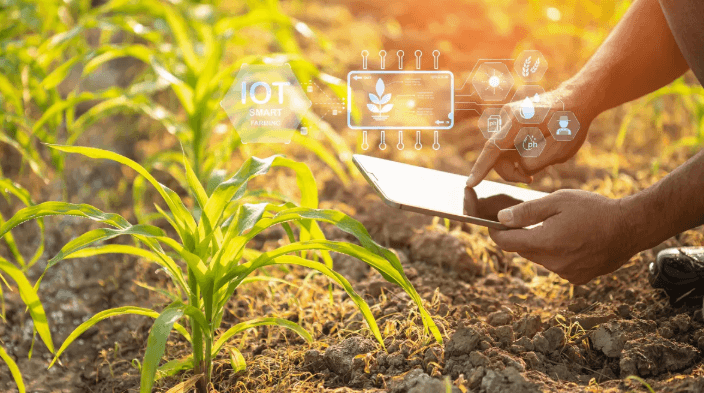
Smart technology is reshaping agriculture through sensor networks, drones, and autonomous equipment. Real-time soil and canopy data drive precise irrigation, nutrient management, and pest responses. AI translates continuous measurements into field-ready prescriptions, while interoperable platforms support traceability and governance. Yet adoption depends on cost, training, and scalable integration across farms. The promise is clear, but reliable deployment hinges on robust pipelines and farmer autonomy—the next steps warrant close scrutiny.
What Smart Tech Actually Delivers in the Field
Smart technology in agriculture translates into measurable field outcomes: sensors collect soil moisture, temperature, and nutrient data; drones and satellite imagery provide rapid canopy and variability mapping; and autonomous machinery execute site-specific actions. Precision farming relies on sensor interoperability to harmonize data streams, enabling timely irrigation, variable-rate applications, and data-driven decision cycles while maintaining operational freedom across diverse field conditions.
The Sensing Stack: From Soil to Canopy to Forecasts
The sensing stack links soil, crop, and forecast through a layered array of measurement, transmission, and interpretation steps that enable timely decisions.
Soil sensors collect volumetric data and moisture profiles; canopy imaging quantifies leaf area and vigor; data streams converge into models predicting stress and yield.
Field-ready pipelines prioritize reliability, calibration, and low-likelihood alerts for proactive management.
Turning Data Into Decisions: AI, Analytics, and Automation
Data from the sensing stack is processed through AI, analytics, and automation to convert measurements into actionable decisions. Systems translate sensor streams into crop-stage prescriptions, irrigation timing, and pest interventions with confidence intervals and fail-safes. Data governance ensures traceability, reproducibility, and accountability, while ethical AI governs bias and transparency. Operators gain freedom through autonomous, auditable, field-focused decision loops.
Real-World Roadblocks and the Path to Adoption
Real-world adoption faces a spectrum of practical barriers, from fragmented value chains and capital constraints to varying farm sizes and risk tolerances.
Data governance frameworks are essential for interoperability, security, and compliance across devices, sensors, and platforms.
Targeted farmer training accelerates capability and trust, translating telemetry into actionable practices while pilots reveal cost curves, ROI, and scalable pathways amid heterogeneous field conditions.
Frequently Asked Questions
How Secure Is Farm Data From Cyber Threats and Breaches?
Security breaches risk farm data despite encryption, segmentation, and access controls. Data privacy remains paramount as threat actors exploit misconfigurations and insider access; robust monitoring, regular audits, and vendor risk management are essential for maintaining operational autonomy and trust.
What Are the Total Costs of Ownership for Smart Farming Tech?
The total cost of ownership for smart farming tech varies by platform, but includes initial hardware, software subscriptions, maintenance, and data management. Scalability for smallholders hinges on modular systems, open data formats, and affordable, predictable ongoing costs.
How Do Sensors Perform in Extreme Weather Conditions?
Extreme weather robustness varies by design; sensors with rugged enclosures, reinforced seals, and automated self-healing firmware show higher uptime. Sensor durability is enhanced by conformal coating, redundant sensing channels, and radiation-hardened components in field deployments.
Can Smallholders Access Affordable, Scalable Smart Solutions?
Smallholders can achieve affordable access and scalable adoption through cost effective tech, enabling smallholder solutions that fit local budgets. Data shows modular, low-maintenance systems empower farmers while preserving autonomy, reducing risk and enhancing productivity with scalable, field-focused performance.
See also: How Smart Technology Is Improving Transportation
What Policies Govern Data Sharing With Suppliers and Platforms?
Data governance policies establish who owns data, how it is shared, and under what conditions. Data ownership is clarified with consent, portability rights enable moving datasets between platforms; standardized interoperability reduces lock-in and supports transparent, farmer-centered collaboration.
Conclusion
Smart technology delivers measurable field gains by integrating soil, canopy, and forecast data into precise, automated actions. The sensing stack provides continuous moisture and vigor profiles, enabling AI-driven irrigation and variable-rate inputs that reduce water use by up to 30% in pilot farms. Real-time analytics translate sensor streams into actionable prescriptions, while autonomous operations close the loop with timely interventions. Adoption hinges on interoperability, training, and cost, but demonstrated ROI and traceable pipelines keep farmers moving forward.
